Case Study
Conversion Engine
Optimising checkout, product pages, and launch strategy from inside the team
Visit live site ↗
A direct-to-consumer brand with healthy traffic but underperforming conversion. As shop manager and developer, I owned the full e-commerce operation: from product launches and shop optimisation to A/B testing and checkout improvements.
The opportunity
A direct-to-consumer brand with a solid e-commerce operation: healthy traffic, steady sales, a product that resonated. Nothing was broken. But the team knew there was room to convert more of the traffic they were already paying for. The shop had grown organically without a structured optimisation process, which meant small friction points in the cart, checkout, product pages, and mobile experience had accumulated without anyone measuring their actual impact.
The approach
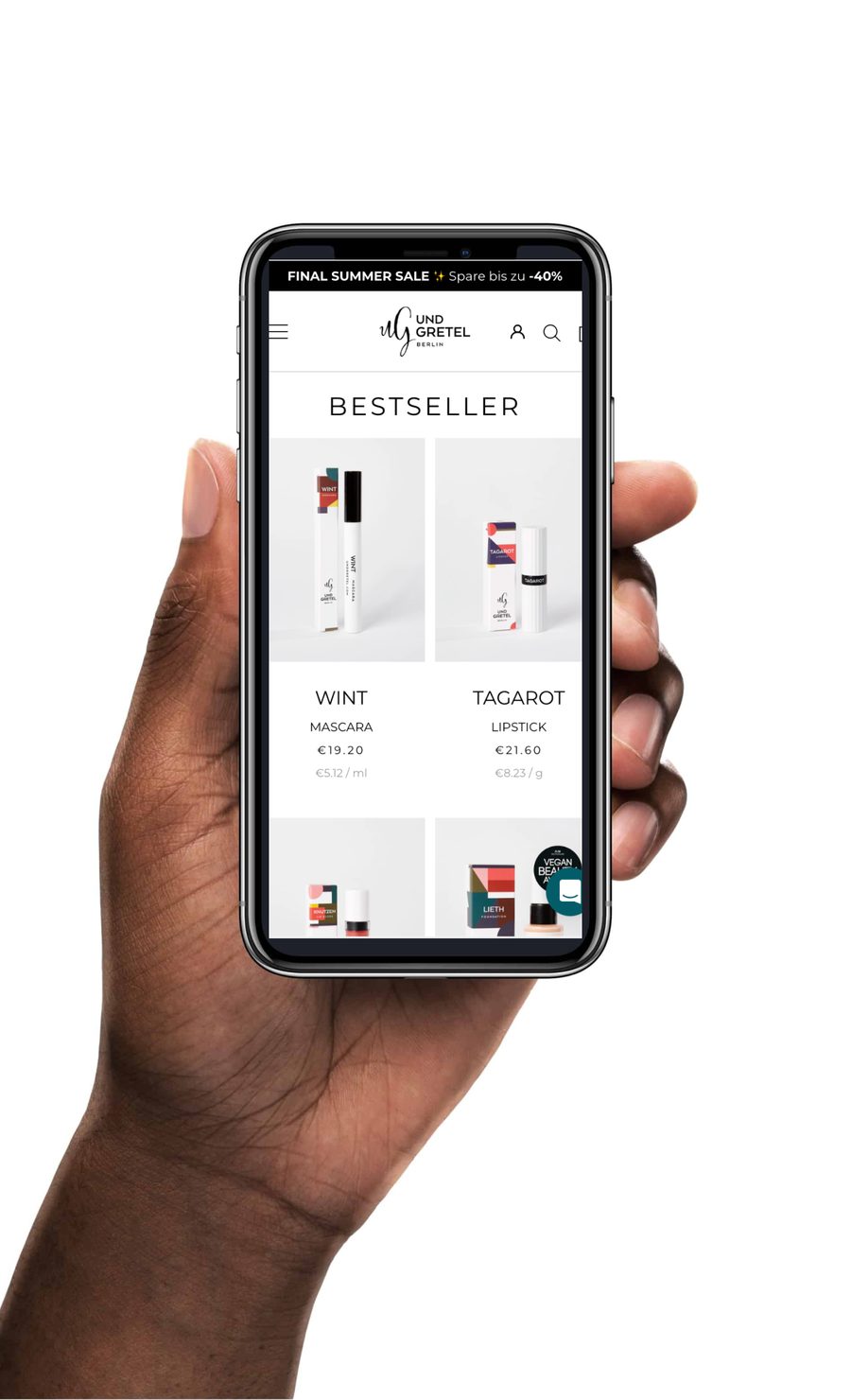
As shop manager and developer, I owned the full e-commerce operation, not just the analysis. I combined session recordings and heatmaps with a full funnel teardown, from ad landing to order confirmation, to pinpoint where the real conversion gaps were versus where the team assumed they might be.
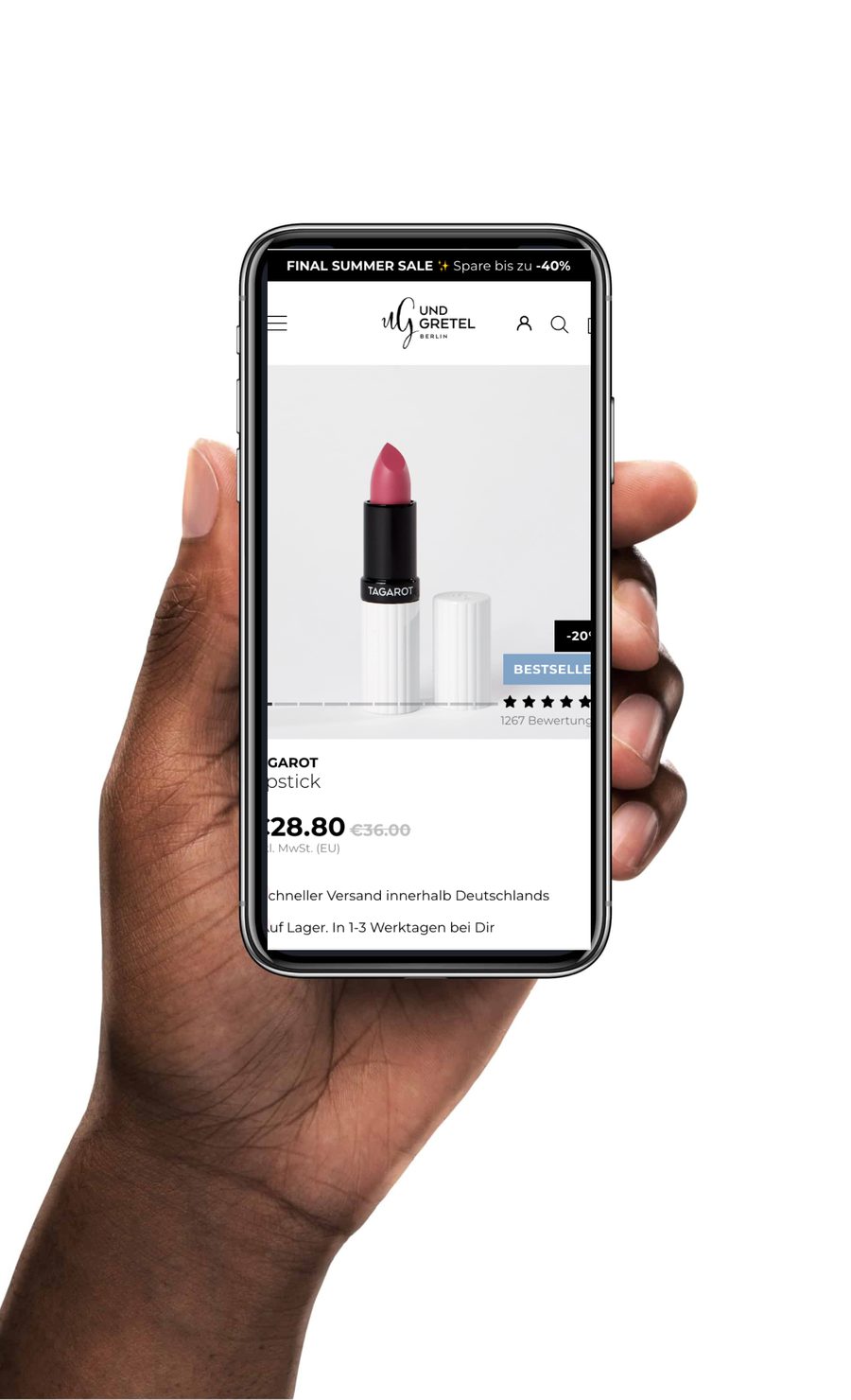
Instead of auditing from outside and handing over a report, I prioritised findings by expected lift versus effort and shipped the fixes myself: checkout form improvements, shipping-cost transparency, mobile PDP layout adjustments. For higher-risk changes, I set up A/B tests to validate before full rollout. New product launches ran in parallel, each one informed by what the data was showing about user behaviour on existing pages.
What shipped
A systematic programme of improvements across homepage, cart, checkout, product detail pages, team page, and mobile experience, prioritised, tested, and deployed. Three A/B tests validated the highest-risk changes before committing. Product launches were integrated into the optimisation cycle rather than treated as separate events.
The impact
The shop moved from ad-hoc fixes to a repeatable optimisation process: structured measurement, a prioritised backlog, and testing before committing. The priority fixes targeted the two places where the funnel was leaking most, cart abandonment and mobile drop-off, and the process kept producing gains well beyond the initial round of changes. Owning both the analysis and the implementation meant findings turned into shipped changes in days rather than sitting in a report.